October 29, 2026
Maintaining a vehicle's transmission is one of the most critical aspects of automotive care, as this complex system directly controls power delivery and overall performance. When major issues arise, drivers are typically faced with a key decision: choosing between a transmission rebuild service or opting for complete transmission remanufacturing. Both methods aim to restore your vehicle to smooth working order, but they differ significantly in process, cost, warranty coverage, and long-term value. This guide explores the key distinctions, advantages, and ideal scenarios for each option, helping you make a confident, well-informed choice for your vehicle.
Understanding Transmission Rebuild Services
Outlining the Rebuilding Process
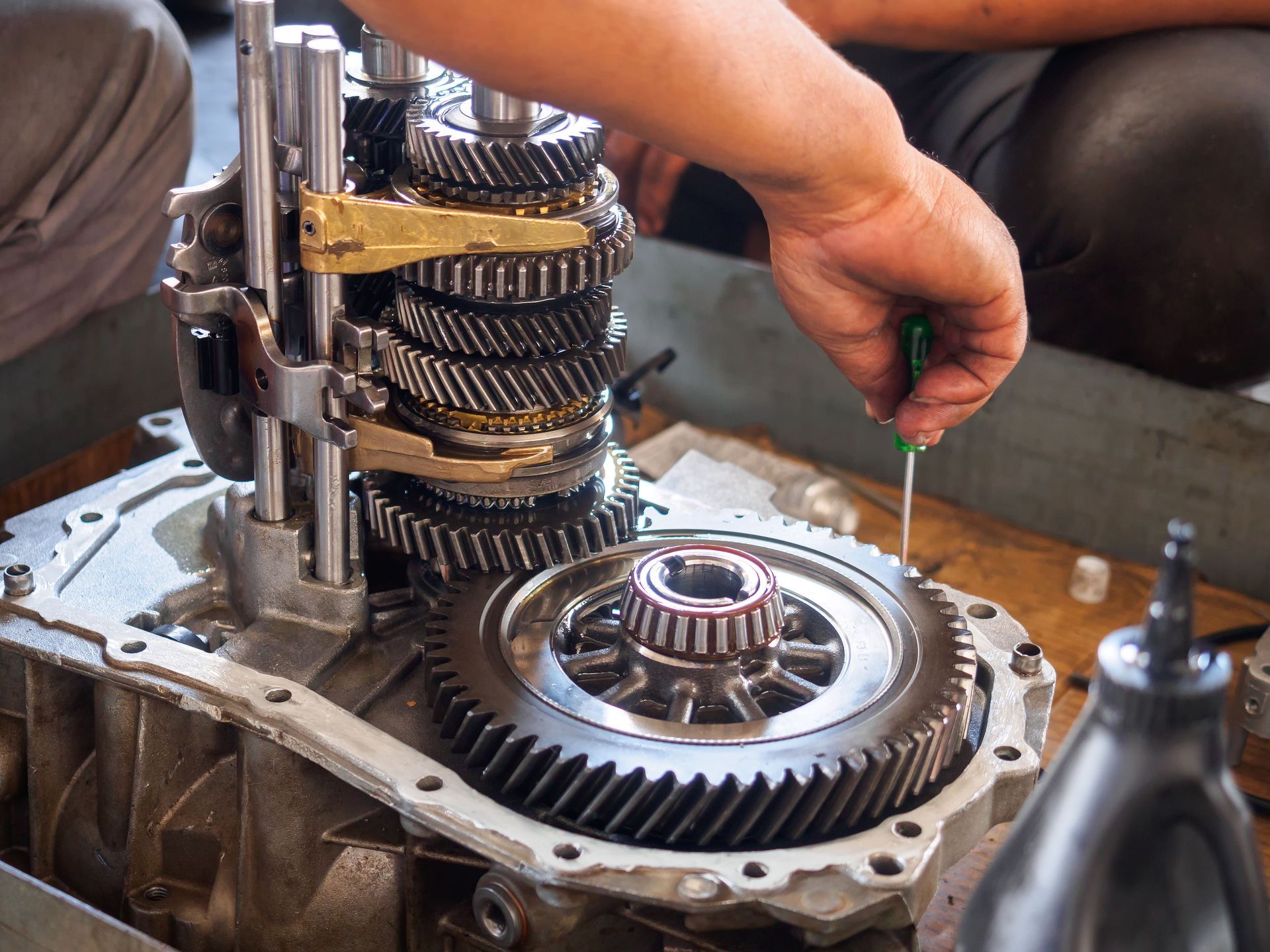
The process of a transmission rebuild service involves disassembling the unit and inspecting all internal parts to identify those that are worn or damaged. Technicians replace or repair faulty components, including gaskets, seals, and bands, before reassembling the unit. This meticulous process demands a high level of expertise to ensure all parts function harmoniously upon reassembly. Tested thoroughly to meet operational standards, a transmission rebuild service reinstates the vehicle's performance capabilities. According to Synchrony Bank, transmission repair or replacement may take anywhere from five to 15 hours, reflecting the complexity and precision involved in the process.
Exploring Key Benefits of Rebuilding
One of the significant advantages of opting for a transmission rebuild service is cost efficiency. Compared to purchasing a brand-new or remanufactured unit, choosing a transmission rebuild service often proves to be much more affordable. Since the process reuses existing components when possible, it saves on materials costs. A transmission rebuild service also allows for customization, enabling technicians to upgrade specific parts to match or exceed original specifications closely. Ultimately, this option offers tailored solutions for specific vehicle needs, making it attractive for budget-conscious car owners.
Analyzing Cost Factors and Considerations
The cost of a transmission rebuild service varies widely depending on the extent of the internal issues as well as the vehicle make and model. Labor represents a significant component of the overall price, reflecting the detailed and time-consuming nature of the work. Parts replacement also contributes to costs, especially if high-end or rare components are needed. Comparing quotes from various providers offers valuable insights into what constitutes a fair price for a transmission rebuild service. Considering the longevity and reliability achieved, many vehicle owners find this investment worthwhile for avoiding frequent future repairs.
Identifying When to Choose Rebuilding
Selecting a transmission rebuild service is often ideal when problems are isolated to specific components rather than a complete system failure. Owners of older or rare vehicles frequently favor a transmission rebuild service to preserve authenticity and ensure vibrational harmony with existing parts. Mild transmission issues detected early can usually be addressed adequately through this method, preventing escalation into severe failures. Furthermore, if a swift repair using original parts is preferable, schedule a transmission rebuild service. This approach is also advantageous when balancing repair costs against the overall value of an older vehicle.
Reviewing Potential Drawbacks and Limitations
Despite its benefits, a transmission rebuild service does have certain limitations. The process could leave the vehicle with potential weaknesses if key components are left unreplaced due to budget constraints. Transmissions from a standard transmission rebuild service might not offer the same longevity as fully remanufactured units, depending on the extent of work and parts quality. There is also a risk of additional issues arising if the job is not performed correctly, leading to secondary repairs. Utilizing a transmission rebuild service requires a keen understanding of the vehicle's overall condition to ensure an effective, reliable outcome.
Diving into Transmission Remanufacturing
Explaining What Remanufacturing Involves
Transmission remanufacturing is a comprehensive factory process where the entire assembly is disassembled, inspected, cleaned, and updated. Unlike a localized transmission rebuild service, all worn or failed components are replaced with new or refurbished parts to meet factory standards. The process goes beyond simple repairs, often updating the unit to correct known original design flaws. Transmissions undergo rigorous testing under simulated load conditions to ensure optimal performance before delivery. Executed in controlled factory settings with strict quality controls, remanufacturing delivers a finished product that meets or exceeds original equipment manufacturer specifications.
Assessing Advantages Over Rebuilt Units
A primary advantage of remanufactured transmissions over a standard transmission rebuild service is their comprehensive update using industry-standard components. This results in a product that frequently features longer warranties and higher dependability. Remanufactured transmissions incorporate the latest technological improvements, potentially enhancing vehicle performance and fuel efficiency. The process eliminates uncertainties regarding component functionality, as every part is assessed and reconditioned. For drivers seeking total peace of mind and reduced long-term maintenance compared to a transmission rebuild service, remanufacturing is often viewed as a superior choice.
Evaluating Comparative Costs and Financials
Financially, remanufactured transmissions generally come at a higher initial price point than a localized transmission rebuild service due to extensive labor and all-encompassing parts replacement. However, this investment presents strong value in scenarios where prolonged vehicle use is anticipated. The robust warranties associated with remanufactured units further offset initial costs by reducing future out-of-pocket repair expenses. If a vehicle is expected to remain in service for an extended period, the higher upfront cost compared to a transmission rebuild service may be fully justified by long-term savings and consistent performance.
Selecting Ideal Situations for Remanufacturing
Remanufactured transmissions are an excellent choice in scenarios where complete reliability and long-term performance are prioritized over the initial savings of a transmission rebuild service. They are particularly suitable for commercial fleets, work trucks, or personal vehicles that endure strenuous driving conditions. For heavily-driven or newer model vehicles, remanufacturing offers considerable advantages in maximizing overall lifespan. If a transmission has completely failed and the owner wishes to restore the vehicle to like-new condition, remanufacturing often surpasses what a basic transmission rebuild service can achieve.
Comparing Quality and Longevity
Understanding Quality Differences
The quality divide between a standard transmission rebuild service and remanufacturing primarily lies in the extent of the refurbishment. A transmission rebuild service utilizes original parts that pass performance checks alongside necessary replacements, while remanufacturing incorporates entirely new or reconditioned components throughout. Remanufactured units align closely with brand-new assembly standards. In contrast, results from a transmission rebuild service rely heavily on the condition of the reused parts and the skill of the individual technician performing the work.
Measuring Longevity and Performance Expectations
Longevity and performance are critical factors when deciding between remanufacturing and a transmission rebuild service. Remanufactured transmissions typically offer a longer lifespan due to their factory overhaul process, where all components meet strict OEM standards. In contrast, units from a transmission rebuild service may not match this overall lifespan if several original parts remain inside. While a professional transmission rebuild service delivers solid operation, remanufactured units provide performance closer to brand-new conditions across the board.
Examining the Impact of Quality on Cost
The comprehensive nature of remanufacturing justifies its premium pricing relative to a standard transmission rebuild service. While initial outlays are higher, extended warranties and reduced future maintenance requirements mean lower costs over the long haul. However, when immediate budget constraints exist, securing a high-quality transmission rebuild service performed by experienced technicians offers an effective, economical solution. Balancing upfront costs against potential longevity ensures you select the option that best fits your financial plan.
Finalizing your decision requires weighing repair costs, vehicle usage, warranty expectations, and technician expertise. By thoroughly analyzing both options, you can select the solution that best balances your immediate budget with long-term driving reliability. Whether you choose a factory-remanufactured unit or schedule a specialized transmission rebuild service, proactive maintenance and professional installation will keep your vehicle running smoothly for miles to come. Call El Camino Transmissions today to learn more.